
The Smarter Way to Handle Leftover Stumps on Your Property
Tree removal gets all the attention, but the stump left behind is often the more persistent problem. It sits in the yard taking up space, creating tripping hazards, and quietly inviting pests and decay into the surrounding soil. Dealing with it properly requires more than a shovel and determination. It requires the right equipment and the expertise to use it effectively.
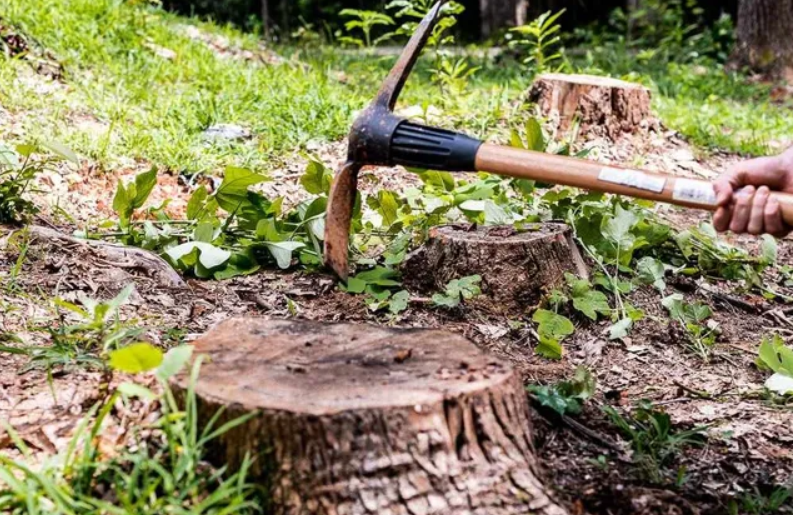
Getting Rid of Stumps the Right Way
A leftover stump does more damage to a yard than most homeowners initially realize. Property owners ready to reclaim their outdoor space trust a reliable stump removal company in northeast Detroit to eliminate the problem completely rather than leaving behind an eyesore that continues to cause issues season after season.
Stumps Create More Problems Than They Appear To
To begin with, a stump that seems harmless sitting quietly in a corner of the yard is rarely as benign as it looks. Decaying wood attracts termites, carpenter ants, and beetles that can eventually migrate toward your home once they exhaust the stump as a food source. Meanwhile, the root system continues breaking down underground, creating soft spots and depressions in the lawn that become tripping hazards and complicate mowing. What looks like a cosmetic nuisance is often an active liability hiding just below the surface.
Grinding Is the Most Effective Removal Method Available
Furthermore, professional stump grinding is widely regarded as the most efficient and thorough approach to stump removal currently available to homeowners. A commercial-grade grinder reduces the stump and its primary root structure to fine wood chips in a fraction of the time that manual removal or chemical treatments require. The resulting wood chip material can be used as mulch or simply backfilled into the hole, leaving the area level and ready for replanting, landscaping, or construction without the extended waiting periods that alternative methods demand.
DIY Approaches Consistently Fall Short
Another reality homeowners discover quickly is that tackling stump removal without professional equipment rarely produces satisfying results. Rental grinders available to the general public are significantly less powerful than commercial units, making the process slower, more physically demanding, and often incomplete. Chemical removal products work on a timeline measured in months rather than days and still require significant physical labor to finish the job. Attempting manual extraction on anything but the smallest stumps is impractical for most homeowners and carries a real risk of injury or unintended damage to surrounding landscaping.
Professional Removal Opens Up New Landscaping Possibilities
Finally, eliminating a stump professionally does more than solve an existing problem. It opens up genuine possibilities for how that space can be used going forward. A properly ground stump leaves behind a clean, level area that can accommodate new plantings, an expanded garden bed, additional lawn space, or even hardscaping features like a patio or walkway.
Conclusion: Getting Rid of Stumps the Right Way
To wrap it all up, professional stump removal is one of the most straightforward upgrades a homeowner can make to their outdoor space. It eliminates pest risks, removes physical hazards, restores a clean lawn surface, and unlocks new possibilities for how the yard can look and function. Attempting to manage a stump without the right equipment wastes time and rarely finishes the job completely. Trust a qualified professional to handle it properly, and transform that neglected corner of your yard into something you can actually use and enjoy.


Recent Comments